
Rare stamps to look for: 7 signs a stamp might be valuable
By the Hustlezz team · Published: 29 July 2026
Almost every valuable stamp ever found in an attic looked ordinary to the person who found it. Rarity hides in details — an upside-down centre, a missing row of perforations, a watermark you can't see from the front. Here are the seven signals collectors check first, so you know when to stop sorting and start investigating.
1. Printing errors — the jackpot category
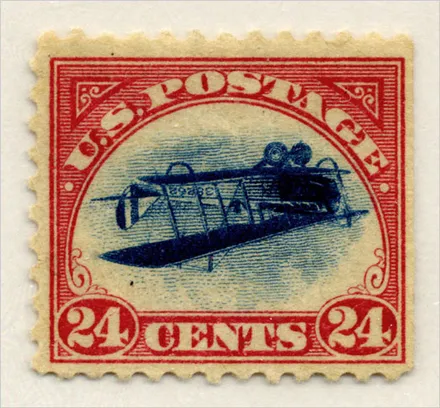
When a sheet went through the press the wrong way round, part of the design printed upside down. The 1918 US Inverted Jenny — a biplane flying on its back — is the most famous example: a sheet of 100 escaped the post office, and single copies now sell for hundreds of thousands to over $2 million. Look for inverted centres, inverted overprints, missing colours and designs printed on the gummed side. The error must come from the printing process — damage doesn't count.
2. Colour errors
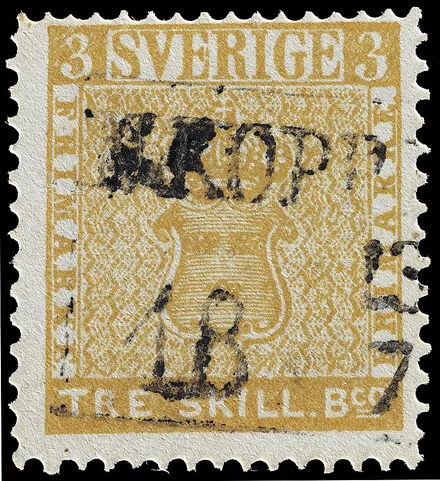
Sometimes a stamp was printed in its neighbour's colour. Sweden's 1855 Treskilling Yellow should have been green — the single known yellow copy is one of the most valuable objects by weight on Earth. If one stamp in a set looks like the wrong colour for its denomination, compare it against a catalogue image before you dismiss it as faded.
3. Missing perforations
A stamp with clean straight edges on all sides — from an era when its issue was perforated — may be an imperforate error. Check the catalogue: if the issue was normally perforated and yours genuinely isn't (wide margins, no trimmed teeth), that's a variety collectors pay real money for. Careful though: scissors-trimmed damaged stamps imitate this, which is why margins matter.
4. Overprints and surcharges
Text or numbers stamped over a finished design — a new value, a new country name, "OFFICIAL", a war tax — often mark moments of upheaval: occupations, independence, currency collapse. Short-lived overprints can be far rarer than the base stamp. Inverted or double overprints are rarer still.
5. Early issues from anywhere (pre-1900)
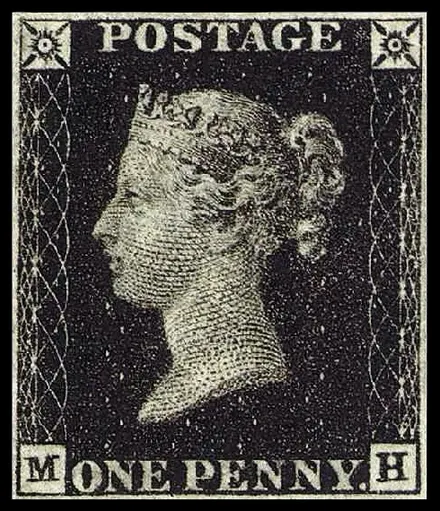
The first decades of postage (1840–1900) produced the hobby's blue chips: the Penny Black, the Mauritius "Post Office" pair, the British Guiana 1c Magenta. Most Victorian stamps are common — but early issues in fine condition, on original covers, or from small colonies are always worth identifying properly.
6. Rare watermarks and papers
Two visually identical stamps can differ 100× in value because of the watermark — the pattern pressed into the paper, visible from the back against light. Catalogues list which watermark varieties are common and which are scarce for every issue. This is the least glamorous rarity signal and the one that most often turns a "duplicate" into a find.
7. Covers, cancels and postal history
Don't soak stamps off old envelopes before checking the whole item. A stamp on its original 1850s cover, with a clear early postmark from a small town or a ship mail marking, is often worth more than the stamp alone. First flight covers, censored wartime mail and crash mail are collected in their own right.
Check any stamp in seconds
All seven signals share one problem: the rare version and the common version look nearly identical. StampSnap identifies a stamp from one photo — country, year, series, category — and gives an honest estimate of what collectors might pay, so you know which stamps deserve a closer look (or a professional appraisal). Free to try.
Keep going
- 10 of the world's most valuable stamps — what the million-dollar ones look like.
- How much is my stamp worth? — the seven factors that decide value.
- Stamp collecting for beginners — start the hobby properly.